
More Information
Submitted: August 19, 2026 | Accepted: August 24, 2026 | Published: August 25, 2026
Citation: Menda PN, Almeida L, Keni NA, Gawde SS. Binocular Vision, Convergence Insufficiency, Accommodative Dysfunction, Industrial Workers, Non-Strabismic Binocular Vision Anomaly. Int J Clin Exp Ophthalmol. 2026; 10(2): 10-14. Available from:
https://dx.doi.org/10.29328/journal.ijceo.1001065.
DOI: 10.29328/journal.ijceo.1001065
Copyright Licence: © 2026 Menda PN, et al. This is an open access article distributed under the Creative Commons Attribution License, which permits unrestricted use, distribution, and reproduction in any medium, provided the original work is properly cited.
Keywords: Binocular vision; Convergence insufficiency; Accommodative dysfunction; Industrial workers; Non-strabismic binocular vision anomaly

Binocular Vision, Convergence Insufficiency, Accommodative Dysfunction, Industrial Workers, Non-Strabismic Binocular Vision Anomaly
Purushottam Naidu Menda*, Larissa Almeida, Niyati Arun Keni and Swanandi Shriram Gawde
Department of Optometry, ITM Institute of Health Sciences, ITM Skills University, Navi Mumbai, Maharashtra, India
*Address for Correspondence: Purushottam Naidu Menda, Department of Optometry, ITM Institute of Health Sciences, ITM Skills University, Navi Mumbai, Maharashtra, India, Email: [email protected]
Aim: To determine the prevalence and distribution of non-strabismic binocular vision anomalies among small-scale industry workers engaged in visually demanding occupations.
Settings and design: Cross-sectional observational study.
Methods and materials: A total of 82 Lathe Operators and Wafer Fabricator workers aged 21–37 years from small-scale industries with high near-visual demands were recruited using convenience sampling. Participants with best corrected visual acuity of 6/7.5 or better underwent a comprehensive binocular vision assessment, including sensory and motor evaluations, accommodative testing, phoria measurements, and fusional vergence assessment. Diagnostic criteria proposed by Scheiman and Wick were used for classification.
Results: Of the 82 participants among them 36 (43.9%) were females, and 46 (56.1%) were males. 73 (89.0%) workers exhibited one or more non-strabismic binocular vision anomalies, while only 9 (11.0%) revealed normal binocular vision. Convergence insufficiency was the most prevalent anomaly (56.1%), followed by accommodative insufficiency (15.9%) and convergence excess (7.3%). No significant association was observed between gender and non-strabismic binocular vision anomalies (χ² = 6.92, p = 0.546). Kruskal–Wallis analysis revealed no statistically significant differences among NSBVA for age or binocular vision clinical parameters (all p > 0.05), although distance phoria showed a trend toward significance (p = 0.058).
Conclusion: NSBVA were highly prevalent among small-scale industry Lathe Operators and Wafer Fabrication workers, with convergence insufficiency representing the predominant diagnosis. Although clinical binocular vision parameters did not differ significantly among diagnostic groups, the high prevalence underscores the importance of routine binocular vision assessment in occupational eye care to facilitate early detection and appropriate management.
Vision is one of the most important sensory systems involved in occupational performance, contributing significantly to precision, productivity, and workplace safety. Efficient binocular vision enables the brain to fuse images from both eyes into a single clear image while providing stereopsis, accurate depth perception, vergence, and accommodation. These functions are essential for tasks requiring prolonged visual concentration and fine motor coordination. Any disruption in binocular coordination may result in non-strabismic binocular vision anomalies (NSBVAs), which can manifest as eyestrain, headaches, blurred vision, diplopia, reduced concentration, and visual fatigue, especially during sustained near work [1–3].
Non-strabismic binocular vision anomalies include non-strabismic disorders such as convergence insufficiency, convergence excess, divergence insufficiency, accommodative insufficiency, accommodative excess, and heterophorias. These conditions are common but frequently remain undiagnosed because individuals often compensate until visual demands increase. Persistent binocular dysfunction can negatively affect work efficiency, visual comfort, and quality of life [1,2,4].
Small-scale lathe operators and wafer fabrication workers are engaged in occupations that require prolonged visual attention, precise hand-eye coordination, accurate depth perception, and continuous fixation on fine details. Lathe operators perform precision machining, measurement, threading, and inspection of components, requiring frequent shifts between near and intermediate viewing distances. Similarly, wafer fabrication workers involved in semiconductor manufacturing perform microscopic inspection, photolithography alignment, defect detection, and assembly of microelectronic components under magnification. These visually demanding tasks may place substantial demands on the accommodative and vergence systems and may be associated with visual fatigue and binocular vision symptoms [5–7].
Previous occupational studies have shown that workers performing prolonged microscopic or precision visual tasks commonly report symptoms of asthenopia, ocular discomfort, and reduced visual efficiency. Occupational eye examinations often focus primarily on visual acuity and refractive errors, while binocular vision assessment is frequently overlooked despite its importance in maintaining visual performance and reducing work-related visual stress [6–9]. Early identification of non-strabismic binocular vision anomalies through comprehensive vision screening may improve visual comfort, enhance productivity, reduce occupational errors, and promote workplace safety through appropriate management, including optical correction, vision therapy, and ergonomic interventions [2,3,10].
The visual demands of these occupations may place sustained stress on the accommodative and vergence systems because workers are required to maintain fixation, perform frequent changes in viewing distance, and accurately judge fine spatial details over prolonged periods. Inadequate binocular coordination may manifest as asthenopia, intermittent blur, headaches, difficulty sustaining near fixation, and reduced visual comfort, which may subsequently affect task efficiency and occupational performance. Despite the importance of binocular vision for precision-based industrial work, routine occupational vision screening is often primarily focused on visual acuity and refractive status, with less emphasis on accommodative and vergence function. Therefore, identifying NSBVAs in workers with sustained near-vision demands may have clinical and occupational relevance for early detection, appropriate management, and prevention of work-related visual discomfort [11].
Although occupational eye health has been extensively studied in relation to refractive errors and ocular injuries, there is limited evidence regarding the prevalence of non-strabismic binocular vision anomalies among small-scale lathe operators and wafer fabrication workers, particularly in India. Therefore, the present study aims to determine the prevalence of non-strabismic binocular vision anomalies among these occupational groups, thereby contributing evidence for the development of comprehensive occupational vision screening programs and preventive eye care strategies.
This Cross-sectional observational study was conducted among Lathe Operators and Wafer Fabricator workers employed in small-scale industries that involved intensive near-vision tasks. Convenience sampling was used for participant recruitment. Workers aged 21–37 years who had completed at least one year of employment and regularly performed prolonged near work were included after obtaining written informed consent. The study was approved by the Institutional Ethics Committee (ITMIHSCON/220925/3477), and written informed consent was obtained from all participants.
Initially, all participants underwent vision screening. Individuals with visual acuity of 6/7.5 or better were selected for comprehensive binocular vision evaluation. Assessments were performed during the early hours of the day to minimize the influence of visual fatigue.
Objective and subjective refraction were carried out for all participants. Workers with significant refractive error (myopia ≥ -0.50 D, hyperopia ≥ +0.50 D, or astigmatism ≥ 0.50 D) or a change greater than 0.50 D in spherical or cylindrical power were prescribed appropriate correction, and binocular vision assessment was repeated after two weeks according to the Convergence Insufficiency Treatment Trial protocol.
The binocular vision examination included:
- Worth four-dot test
- Stereopsis assessment
- Near point of convergence (NPC)
- Distance and near phoria measurements
- Fusional vergence amplitudes
- Vergence facility
- Near point of accommodation
- Monocular estimation method (MEM)
- Monocular and binocular accommodative facility
- Relative accommodation testing
Diagnostic classification of non-strabismic binocular vision anomalies
Non-strabismic binocular vision anomalies were classified using the clinical diagnostic framework described by Scheiman and Wick. Diagnostic classification was based on an integrated interpretation of distance and near phoria, the relationship between distance and near findings/AC/A relationship, compensating fusional vergence, near point of convergence, and accommodative findings, as applicable to each diagnostic category. A diagnosis was not assigned on the basis of a single isolated measurement; rather, the overall pattern of findings was considered (Table 1).
| Table 1: Diagnostic criteria used for classification of non-strabismic binocular vision anomalies | |
| Diagnostic category | Diagnostic criteria / clinical findings used |
| Convergence insufficiency | Reduced near positive fusional vergence, receded near point of convergence, and greater exophoria at near than at distance, according to Scheiman and Wick criteria. |
| Convergence excess | Greater esophoria at near than at distance with findings of reduced ability to compensate for the near esophoria using negative fusional vergence |
| Divergence insufficiency | Greater esophoria at distance than at near with reduced ability to compensate for the distance esophoria using negative fusional vergence |
| Divergence excess | Greater exophoria at distance than at near with reduced ability to compensate for the distance exophoria using positive fusional vergence |
| Basic exophoria | Similar magnitude of exophoria at distance and near, with reduced compensating positive fusional vergence |
| Basic esophoria | Similar magnitude of esophoria at distance and near, with reduced compensating negative fusional vergence |
| Accommodative insufficiency | Reduced accommodative amplitude and/or accommodative facility findings consistent with accommodative insufficiency according to Scheiman and Wick criteria |
| Accommodative excess | Findings suggestive of excessive accommodative response, including abnormal accommodative facility and/or MEM findings, according to Scheiman and Wick criteria |
| Normal binocular vision | Binocular vision findings within the specified clinical criteria and without sufficient findings to classify the participant into an NSBVA diagnostic category |
Convergence insufficiency was identified based on the characteristic pattern of greater exophoria at near, reduced positive fusional vergence at near, and a receded near point of convergence. Other vergence anomalies were classified according to the corresponding distance–near phoria relationship and compensating fusional vergence pattern. Accommodative dysfunctions were classified using accommodative amplitude, accommodative facility, relative accommodation, and MEM findings, as appropriate.
The five diagnostic categories were retained for descriptive reporting to preserve the clinical distribution of specific non-strabismic binocular vision diagnoses. However, because several diagnostic categories contained very few participants, inferential comparisons across all five groups were interpreted cautiously.
Participants with amblyopia, manifest strabismus, previous ocular surgery, or other ocular conditions affecting binocular vision were excluded from the study.
Statistical analysis
Data were entered into Microsoft Excel and analysed using Jamovi. Continuous variables were assessed for normality using the Shapiro–Wilk test. As the continuous variables were not normally distributed, they were summarized using median and interquartile range (IQR). Categorical variables were summarized using frequencies and percentages. Associations between gender and diagnostic category were assessed after evaluating the expected cell frequencies. Because several expected cell frequencies were below 5, Fisher’s exact test was used to assess the association between gender and diagnostic category instead of the Pearson chi-square test. For descriptive purposes, the nine original diagnostic categories were retained. Because several categories contained very few participants, the five categories of convergence insufficiency, normal binocular vision, accommodative insufficiency, convergence excess, and Other NSBVA were used for inferential comparisons. The Other NSBVA category comprised accommodative excess, divergence insufficiency, divergence excess, basic exophoria, and basic esophoria. Differences in continuous clinical parameters across these five groups were assessed using the Kruskal–Wallis test. Epsilon-squared (ε²) was reported as the effect-size measure.
A total of 82 small-scale industry Lathe Operators and Wafer Fabricator workers participated in the study, comprising 46 (56.1%) males and 36 (43.9%) females. The most prevalent primary non-strabismic binocular vision anomaly was Convergence Insufficiency (CI), observed in 46 participants (56.1%). This was followed by Accommodative Insufficiency (15.9%), Convergence Excess (7.3%), Accommodative Excess (3.7%), and Divergence Insufficiency (2.4%). Divergence Excess, Basic Exophoria, and Basic Esophoria were each identified in 1.2% of the participants. Only 9 participants (11.0%) revealed normal binocular vision, indicating that 73 out of 82 participants (89.0%) had one or more non-strabismic binocular vision anomalies.
Figure 1 Shows the primary diagnosis of Non-Strabismic Binocular Vision Disorder among small-scale industry workers.
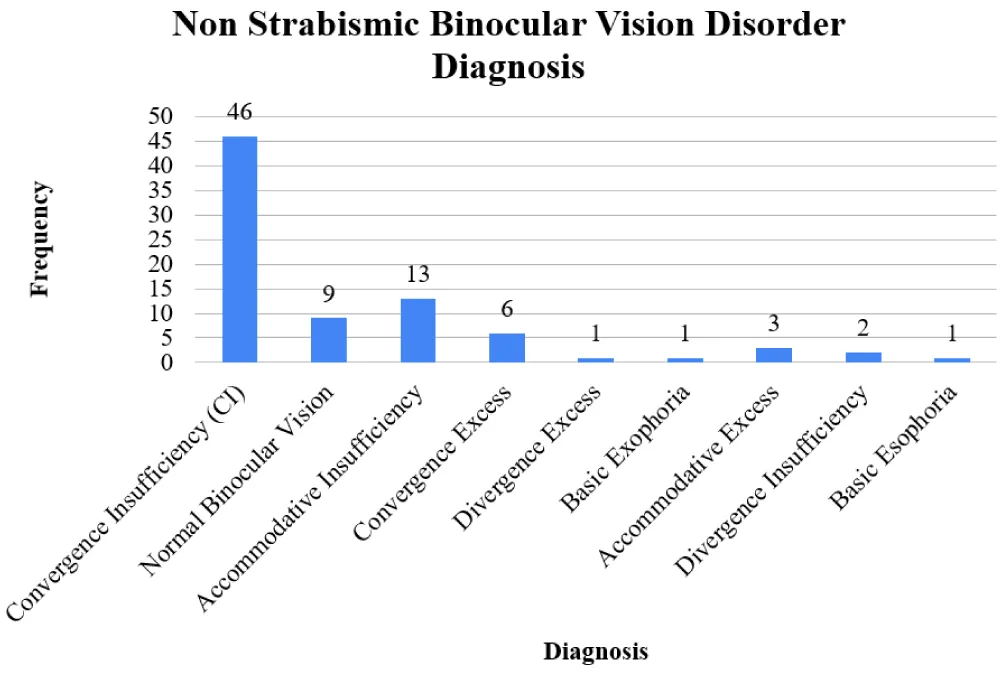
Figure 1: Primary diagnosis distribution among participants.
The original nine diagnostic categories were retained for descriptive reporting. For inferential analysis, categories with very small numbers were combined into an ‘Other NSBVA’ category. Convergence insufficiency was the most prevalent anomaly, accounting for 56.1% of all diagnoses (Table 2).
| Table 2: Primary diagnosis distribution among participants. | ||
| Diagnosis | Frequency (n) | Percentage (%) |
| Convergence Insufficiency (CI) | 46 | 56.1 |
| Accommodative Insufficiency | 13 | 15.9 |
| Normal Binocular Vision | 9 | 11 |
| Convergence Excess | 6 | 7.3 |
| Other NSBVA | 8 | 9.7 |
| Total | 82 | 100 |
Other NSBVA comprised accommodative excess (n = 3), divergence insufficiency (n = 2), divergence excess (n = 1), basic exophoria (n = 1), and basic esophoria (n = 1). These categories were combined only for inferential statistical analysis because of their small sample sizes.
No statistically significant association was observed between gender and diagnostic category. Because several expected cell frequencies were below 5, Fisher’s exact test was used instead of the Pearson chi-square approximation. The association was not statistically significant (Fisher’s exact test, p = 0.595). These categories were combined solely because of their small sample sizes; they were not considered clinically equivalent.
Table 3 shows the association between gender and non-strabismic binocular vision diagnosis.
| Table 3: Association between gender and non-strabismic binocular vision diagnosis. | |||
| Diagnosis | Male n (%) | Female n (%) | Total |
| Convergence insufficiency | 23 (50.0) | 23 (63.9) | 46 (56.1) |
| Normal binocular vision | 5 (10.9) | 4 (11.1) | 9 (11.0) |
| Accommodative insufficiency | 9 (19.6) | 4 (11.1) | 13 (15.9) |
| Convergence excess | 3 (6.5) | 3 (8.3) | 6 (7.3) |
| Other NSBVA | 6 (13.0) | 2 (5.6) | 8 (9.8) |
| Total | 46 (100) | 36 (100) | 82 (100) |
Fisher’s exact test, p = 0.595
As the Shapiro–Wilk test revealed that the data were not normally distributed, the Kruskal–Wallis test was used to compare demographic and non-strabismic binocular vision parameters across the various diagnosis groups.
Table 4 Kruskal–Wallis analysis was performed to compare clinical binocular and accommodative parameters across the five diagnostic groups. No statistically significant differences were observed for any of the assessed parameters (all p > 0.05). The largest observed effect was for MEM in the left eye (H = 8.358, df = 4, p = 0.079, ε² = 0.103), although this did not reach statistical significance. Therefore, post-hoc pairwise comparisons were not performed.
| Table 4: Kruskal–Wallis comparison of clinical parameters among diagnosis groups. | ||||
| Clinical parameter | Kruskal–Wallis test statistic (χ²) | df | p - value | Epsilon-squared effect size (ε²) |
| Age | 3.088 | 4 | 0.543 | 0.038 |
| Stereoacuity | 0.421 | 4 | 0.981 | 0.005 |
| Distance Phoria | 3.955 | 4 | 0.412 | 0.049 |
| Near Phoria | 4.969 | 4 | 0.290 | 0.061 |
| Near Point of Convergence (NPC) | 3.834 | 4 | 0.429 | 0.047 |
| Near Point of Accommodation - NPA (OD) | 2.463 | 4 | 0.651 | 0.030 |
| Near Point of Accommodation - NPA (OS) | 1.903 | 4 | 0.754 | 0.023 |
| Near Point of Accommodation - NPA (OU) | 4.981 | 4 | 0.289 | 0.061 |
| Monocular Estimation Method - MEM (OD) | 5.208 | 4 | 0.267 | 0.064 |
| Monocular Estimation Method - MEM (OS) | 8.358 | 4 | 0.079 | 0.103 |
| Negative Relative Accommodation (NRA) | 2.098 | 4 | 0.718 | 0.026 |
| Positive Relative Accommodation (PRA) | 0.251 | 4 | 0.993 | 0.003 |
| Positive Fusional Vergence - PFV (Distance) | 3.922 | 4 | 0.417 | 0.048 |
| Positive Fusional Vergence PFV (Near) | 2.640 | 4 | 0.620 | 0.033 |
| Negative Fusional Vergence - NFV (Distance) | 4.621 | 4 | 0.328 | 0.057 |
| Negative Fusional Vergence - NFV (Near) | 4.631 | 4 | 0.327 | 0.057 |
| Vergence facility | 1.865 | 4 | 0.760 | 0.023 |
| Accommodative facility (OD) | 1.677 | 4 | 0.795 | 0.021 |
| Accommodative facility (OS) | 1.724 | 4 | 0.786 | 0.021 |
| Accommodative facility (OU) | 1.636 | 4 | 0.802 | 0.020 |
Overall, the findings suggest that the measured binocular vision parameters were broadly comparable across the various non-strabismic binocular vision anomaly categories within this study population.
The observed prevalence of NSBVAs (89.0%) and convergence insufficiency (56.1%) was high compared with estimates reported in general populations. This difference should be interpreted cautiously because the present study specifically recruited workers engaged in sustained, visually demanding occupational tasks and applied the diagnostic criteria of Scheiman and Wick to a comprehensive binocular vision assessment. Differences in participant characteristics, occupational visual demands, examination protocols, and diagnostic criteria may contribute to variation in reported prevalence across studies.
The diagnostic distribution was highly uneven, with several less common diagnostic categories containing only one to three participants. These rare categories were therefore combined into an ‘Other NSBVA’ category for inferential analysis, while the individual diagnoses were retained for descriptive reporting.
The Kruskal–Wallis analysis across the five diagnostic groups revealed no statistically significant differences in the assessed binocular vision and accommodative parameters (all p > 0.05). These findings should nevertheless be interpreted cautiously because the diagnostic groups remained unequal in size, particularly the convergence insufficiency group.
No statistically significant differences were observed across the five diagnostic groups for any of the assessed clinical parameters. The effect sizes were generally small, with the largest observed ε² being 0.103 for MEM in the left eye.
The interpretation of between-group comparisons should be approached cautiously because the distribution of diagnostic categories was highly unequal. Although convergence insufficiency accounted for the largest proportion of participants, several less common diagnostic categories contained only one to three participants. These small cell sizes substantially reduce statistical power and may produce unstable estimates, limiting the reliability of inferential comparisons across all diagnostic categories. Accordingly, the findings should be interpreted primarily as descriptive evidence of the diagnostic distribution rather than definitive evidence of equivalence across diagnostic groups.
Nevertheless, the high prevalence of non-strabismic binocular vision anomalies, particularly convergence insufficiency, emphasizes the importance of routine binocular vision assessment during occupational eye examinations. Early identification and appropriate management may improve visual comfort, reduce symptoms associated with prolonged near work, and enhance workplace productivity.
A high prevalence of non-strabismic binocular vision anomalies was observed among small-scale industry workers, with convergence insufficiency being the predominant diagnosis. These findings emphasize the importance of incorporating comprehensive binocular vision assessment into routine occupational eye examinations to facilitate early diagnosis, appropriate intervention, and improved visual performance.
Acknowledgement: The authors sincerely thank the faculties of the department of Optometry and ITM Skills University for their support for completion of this study.
Presentation at scientific meeting: This manuscript has not been presented previously at any conference or scientific meeting.
Criteria for authorship:
Each author has contributed substantially to:
- Concept and study design
- Data collection
- Data analysis and interpretation
- Manuscript preparation and critical revision
- Approval of final manuscript
Author declaration: All authors have read and approved the final version of the manuscript and agree to its submission. The authors confirm that authorship requirements have been fulfilled and that each author accepts responsibility for the integrity and accuracy
- American Academy of Ophthalmology. Basic and clinical science course: Section 6. Pediatric ophthalmology and strabismus. American Academy of Ophthalmology. 2024.
- Chande P, Bandamwar K. Visual examination standards for industrial machine operators: An occupational health perspective. Indian J Occup Environ Med. 2021; 25(2): 63–66. Available from: https://doi.org/10.4103/ijoem.IJOEM_54_19
- Cooper J, Jamal N. Convergence insufficiency—A major review. Optometry. 2012; 83(4): 137–158.
- Evans BJW. Pickwell's binocular vision anomalies (6th ed.). Elsevier. 2021.
- Johnson CA. Occupational psychophysics to establish vision requirements. Optom Vis Sci. 2008; 85(10): 910–923. Available from: https://doi.org/10.1097/opx.0b013e3181888953
- Nyman KG, Knave BG, Voss M. Work with video display terminals among office employees. IV. Refraction, accommodation, convergence and binocular vision. Scand J Work Environ Health. 1985; 11(6): 483–487. Available from: https://doi.org/10.5271/sjweh.2198
- Scheiman M, Wick B. Clinical management of binocular vision: Heterophoric, accommodative, and eye movement disorders (5th ed.). Wolters Kluwer. 2020.
- Sheedy JE., Hayes JN, Engle J. Is all asthenopia the same? Optom Vis Sci. 2003; 80(11): 732–739. Available from: https://doi.org/10.1097/00006324-200311000-00008
- Söderberg I, Calissendorff B, Elofsson S, Knave B, Nyman KG. Investigation of visual strain experienced by microscope operators at an electronics plant. Appl Ergon. 1983; 14(4): 297–305. Available from: https://doi.org/10.1016/0003-6870(83)90010-8
- Taki S, Yonezawa S. Motion analysis of lathe machining work using a digital position display device. Int J Autom Technol. 2022; 16(5): 625–633.
- Srivastava N, Siddiqui DH, Kukreja A, Parveen N, Mahmood W. A Cross-Sectional Study on the Impact of Occupational Hazards on Ocular Health Among Female Chikankari Workers in Rural Areas of Lucknow, Uttar Pradesh, India. World Journal of Pharmaceutical Science and Research. 2026; 5(2): 2583-6579. Available from: https://doi.org/10.5281/zenodo.18478686